
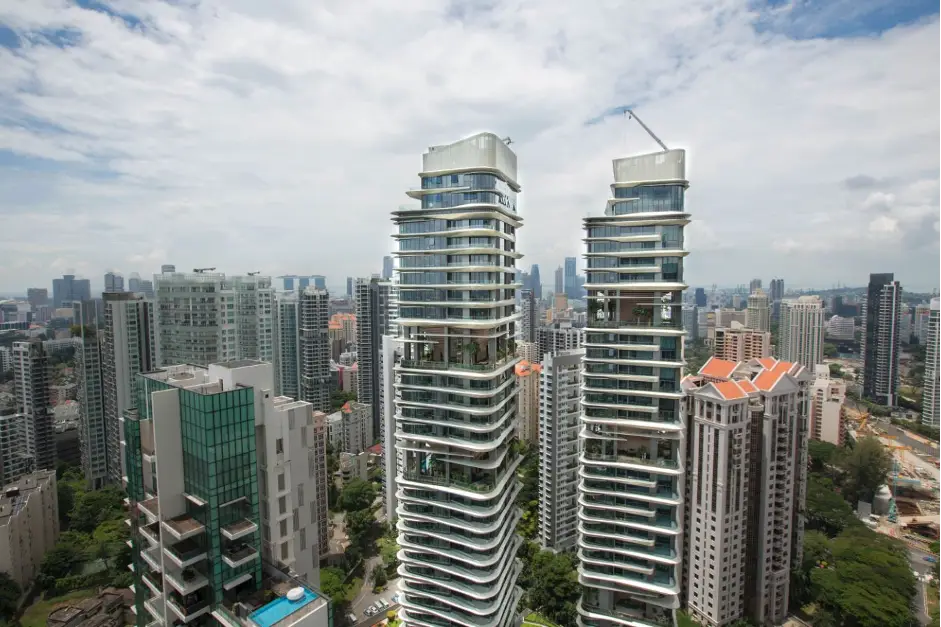
The Pitfalls of Buying a Singapore Condominium for Investment
Introduction: Weighing the Risks Behind the Gloss
Condominiums in Singapore are often seen as attractive investments—modern facilities, strong rental demand, and potential for long-term appreciation. However, beneath the allure, there are challenges and risks that investors must consider carefully. Buying a condo for investment is not always a guaranteed path to profit. Here are the key pitfalls you should be aware of before committing to a purchase.
1. High Upfront Costs and Taxes
Buying a condo in Singapore involves more than just the purchase price. Investors must account for:
- Buyer’s Stamp Duty (BSD): Progressive rates up to 6%
- Additional Buyer’s Stamp Duty (ABSD): As high as 20% for Singaporeans buying their second property, 30% for Permanent Residents, and 60% for foreigners
These upfront costs can significantly reduce potential returns, especially if the property is sold within a short holding period.
2. Cooling Measures and Policy Risks
Singapore’s property market is closely regulated. Cooling measures such as loan-to-value (LTV) limits, TDSR caps, and higher ABSD rates have been introduced over the years to ensure sustainable growth. These policies can shift suddenly, impacting affordability, financing options, and overall investor sentiment.
3. Uncertain Rental Yields
While condos are popular among expatriates and some local tenants, rental yields have compressed in recent years due to rising supply and slower demand in certain districts. High purchase prices combined with moderate rental returns may not justify the investment, especially after factoring in MCST fees, maintenance, and property taxes.
4. Market Volatility and Long Holding Periods
Real estate is a long-term investment. Condo values can fluctuate based on economic conditions, interest rates, and government policies. Investors who need liquidity in the short term may find it difficult to exit without incurring losses, particularly if forced to sell during downturns.
5. Maintenance Fees and Sinking Funds
Condo ownership comes with recurring costs. Monthly maintenance fees and sinking fund contributions for shared facilities can add up significantly. In older developments, higher costs may be required for repairs and upgrades, further eroding overall returns.
6. Leasehold Limitations
Most private condos in Singapore are 99-year leasehold properties. As the lease decays, property values can decline, especially beyond the 30–40 year mark. Freehold condos command higher premiums but are limited in supply, making entry even costlier.
Conclusion: A Cautious Approach to Condo Investment
Investing in a Singapore condominium can still be rewarding if done with foresight and strategy. However, investors must carefully evaluate upfront costs, rental demand, policy risks, and long-term financial commitments.
Rather than focusing solely on glossy brochures or short-term trends, approach condo investment with realistic expectations and a solid financial plan. For many, the key lies in balancing lifestyle goals with investment returns.